Creating a successful beverage requires more than combining ingredients. It involves understanding flavour, ingredient interactions, product stability, consumer preferences, and manufacturing requirements. A drink must deliver an enjoyable experience while meeting its intended purpose and remaining suitable for commercial production.
For beverage startups and established brands, formulation is a crucial step between an initial idea and a market-ready product. New Beverage Manufacturing helps businesses develop beverage concepts through formulation, research and development, product testing, and manufacturing solutions. With a structured approach, brands can create drinks that reflect their vision and meet the expectations of their target customers.
1. Understanding the Fundamentals of Beverage Formulation
Beverage formulation is the process of selecting and combining ingredients to achieve specific product characteristics. These may include flavour, sweetness, acidity, colour, texture, aroma, and nutritional composition.
Each ingredient serves a purpose. Water provides the base for many drinks, while sweeteners influence sweetness and mouthfeel. Acids can contribute brightness and balance, flavourings establish the product’s character, and other ingredients may support colour, texture, or intended functionality.
The challenge is ensuring that these components work together. An ingredient that improves one characteristic may affect another, making careful testing essential.
New Beverage Manufacturing supports concept development and formulation across categories such as energy drinks, sports beverages, functional drinks, flavoured waters, ready-to-drink coffee and tea, wellness beverages, and plant-based drinks. Each category presents different formulation requirements, so the development process should reflect the product’s purpose and audience.
2. Creating a Taste Consumers Enjoy
Taste is one of the most important factors influencing whether customers purchase a beverage again. Even a product with an innovative concept may struggle if its flavour does not meet consumer expectations.
Developing an appealing taste requires attention to sweetness, acidity, bitterness, aroma, and mouthfeel. These characteristics interact to shape the overall drinking experience. For example, acidity can balance sweetness, while carefully selected flavour combinations can create a distinctive profile.
Consumer preferences also vary by age group, region, culture, and product category. Market research and taste testing can help businesses understand which flavours appeal to their intended audience.
During formulation, developers may produce several samples with different ingredient ratios or flavour profiles. Comparing these samples helps identify improvements and refine the recipe before commercial production.
The objective is not simply to create a pleasant first sip. A strong formulation should deliver a consistent experience that encourages customer satisfaction and repeat purchases.
3. Balancing Functionality With Product Quality
Many modern beverages are developed to offer more than refreshment. Functional drinks may contain ingredients selected for a specific purpose, while sports beverages and nutritional drinks may be designed around particular consumer needs.
Formulating these products requires careful consideration of ingredient selection, concentration, flavour compatibility, stability, and applicable regulations. Certain functional ingredients can introduce bitterness, affect texture, or create challenges during processing and storage.
Developers must therefore balance the intended functionality with taste and product quality. Ingredient levels should be selected according to the product’s objectives, scientific evidence, safety considerations, and relevant legal requirements.
Any nutritional or health-related claims should be substantiated and comply with the rules governing the intended market.
New Beverage Manufacturing supports the development of functional and nutritional beverages, helping businesses consider formulation requirements alongside commercial feasibility and consumer expectations.
4. Selecting Ingredients for Stability and Consistency
Ingredient selection affects more than the immediate flavour of a drink. It can influence colour, clarity, texture, shelf life, and performance during manufacturing.
Some ingredients interact with one another, potentially causing changes in appearance, sedimentation, separation, or flavour over time. Acidity, temperature, light exposure, and packaging can also affect product stability.
Research and development helps identify these challenges before a beverage reaches the market. Ingredient sourcing, sample production, product testing, and formula optimisation provide opportunities to evaluate the formulation and refine it where necessary.
Shelf-life studies and appropriate microbiological or chemical testing may also be required, depending on the beverage and processing method. These evaluations help establish suitable storage conditions and support product safety and quality.
A carefully documented formula makes it easier to reproduce the intended characteristics across production batches.
5. Using Research and Development to Refine Recipes
The first formulation is rarely the final one. Product development often involves repeated testing, feedback, and adjustments to improve the finished beverage.
Research and development allows businesses to evaluate whether a recipe meets its intended specifications. Developers may compare sweetness levels, adjust flavour combinations, assess ingredient compatibility, or investigate alternatives that improve availability or manufacturing performance.
New Beverage Manufacturing offers research and development services that include recipe development, ingredient sourcing, product testing, sample production, and formula optimisation.
A structured testing process helps businesses make informed decisions rather than relying entirely on assumptions. It also allows potential production challenges to be identified before larger manufacturing runs begin.
By refining the recipe through a planned development process, brands can work towards a product that meets customer expectations and remains practical to manufacture at scale.
6. Designing a Formulation for Commercial Manufacturing
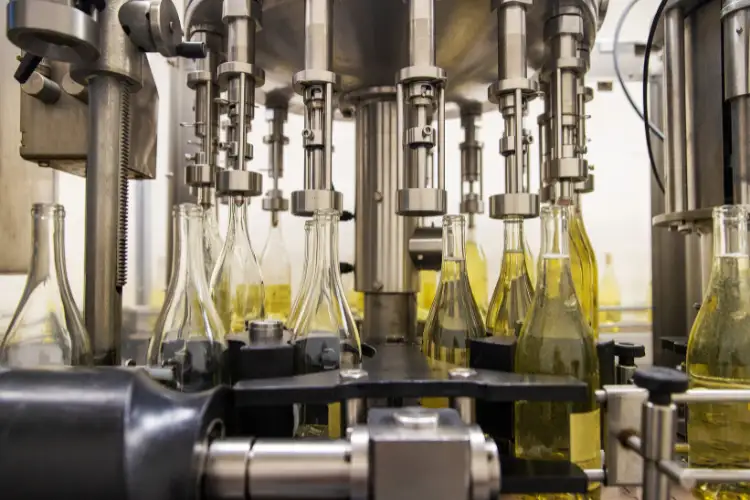
A beverage that performs well in a small sample must also be suitable for commercial production. Scaling a recipe involves understanding equipment capabilities, processing conditions, ingredient handling, and production consistency.
Businesses should consider how ingredients behave during mixing, heating, cooling, filling, and storage, where these processes apply. Processing methods must suit the product and its safety requirements.
Production costs also influence formulation decisions. Ingredient prices, supplier availability, packaging choices, and expected order volumes all contribute to commercial viability.
New Beverage Manufacturing provides private label and contract manufacturing solutions for businesses seeking to bring products to market without necessarily establishing their own production facilities.
Considering manufacturing requirements early can reduce costly adjustments later and help align product development with the business’s production goals.
7. Matching Formulation With Consumer Demand
Technical quality alone does not guarantee market success. A beverage must also offer something relevant to its intended audience at a suitable price.
Consumer research can help identify preferred flavours, purchasing habits, packaging expectations, and interest in particular beverage categories. Feedback from sample testing can then inform formulation decisions.
Brands should also consider how the product fits into the market. A premium drink may require a distinctive flavour and presentation, while an everyday beverage may prioritise convenience, familiar tastes, and affordability.
New Beverage Manufacturing supports concept refinement, consumer positioning, branding, packaging guidance, and launch preparation. Aligning these activities with formulation helps create a product that connects its technical characteristics with a clear market proposition.
8. Preparing the Beverage for Launch
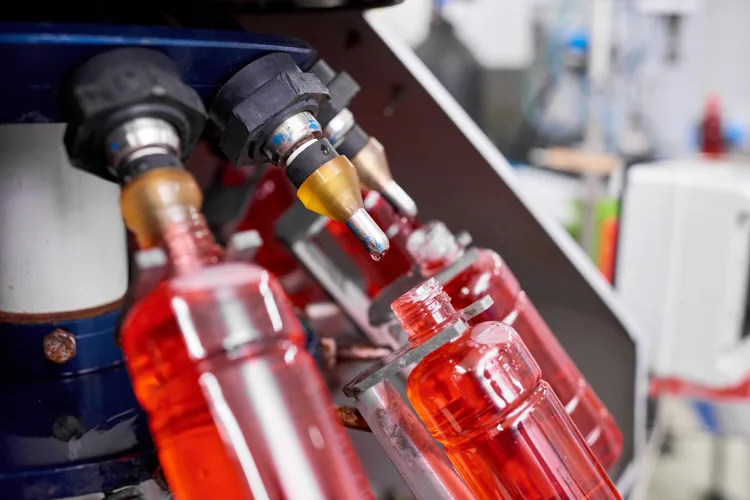
Once the formulation has been refined, the next step is preparing the product for commercial launch. This involves coordinating manufacturing, packaging, product information, and distribution requirements.
Packaging options may include bottles, aluminium cans, multipacks, and other suitable formats. The choice should protect the beverage, support its storage requirements, and reflect the brand’s positioning.
Businesses must also ensure that labels, ingredient information, and any product claims meet applicable regulations. Production planning and distribution arrangements should be established before launch to support reliable supply.
New Beverage Manufacturing offers services spanning product development, manufacturing, packaging, launch preparation, and distribution support, helping businesses coordinate key stages of the commercialisation process.
Conclusion
The science of beverage formulation lies in balancing taste, functionality, product stability, manufacturing requirements, and consumer demand. Each element contributes to creating a drink that delivers a consistent experience and has a practical path to market.
For startups and established beverage brands, careful formulation and structured product testing provide a foundation for informed decisions. Combining technical development with market research and suitable manufacturing solutions can help transform an initial concept into a commercially viable product.
New Beverage Manufacturing supports businesses throughout this journey, from refining an idea and developing a formula to manufacturing, packaging, and distribution.