Building a successful beverage brand takes more than a unique recipe. It requires a clear business strategy, a product customers enjoy, reliable manufacturing, effective branding, and a plan for reaching the right market. From developing the first concept to expanding production, every stage plays an important role in long-term success.
New Beverage Manufacturing supports beverage businesses through key stages of product development and commercialisation. By combining thoughtful planning with suitable manufacturing and packaging solutions, businesses can turn promising ideas into market-ready beverages and prepare for future growth.
1. Identify Your Market and Define Your Vision
Every successful beverage brand begins with a clear understanding of its customers. Before developing a product, research your target audience, purchasing habits, preferred flavours, and expectations. Consider whether your beverage will appeal to health-conscious consumers, sports enthusiasts, busy professionals, or customers seeking everyday refreshments.
Market research can also reveal opportunities within competitive categories. Examine existing products, pricing, packaging, and customer feedback to identify ways your brand could stand apart.
Once you understand your market, establish a clear brand vision. Define what your beverage offers, who it serves, and why customers should choose it. This direction will guide product development, branding, pricing, and marketing decisions.
2. Create a Beverage That Meets Customer Expectations
A strong concept needs a product that delivers on its promise. Taste, aroma, texture, ingredients, and consistency all influence whether customers enjoy a beverage and purchase it again.
Beverage formulation and product development help transform an initial idea into a practical commercial product. The process may involve recipe development, ingredient selection, sample preparation, product testing, and formula refinement.
New Beverage Manufacturing supports the development of beverage concepts across different categories, including functional drinks, sports beverages, sparkling drinks, flavoured waters, ready-to-drink coffee and tea, and plant-based beverages.
Focus on creating a formula that suits your audience while considering production requirements, ingredient availability, shelf life, and cost. Testing before launch can help identify improvements and ensure the finished product aligns with your original vision.
3. Build a Brand Customers Remember
Your brand identity helps customers recognise your product and understand what it represents. A distinctive name, consistent visual design, and clear message can help establish a connection with your target audience.
Start by defining your brand personality and positioning. Decide whether your beverage should communicate energy, refreshment, convenience, premium quality, or another clear benefit. Use this direction to guide your packaging, website, product labels, and promotional materials.
Packaging deserves particular attention because it often creates the first impression. Colours, typography, bottle or can design, and label presentation should work together to communicate your product’s identity.
New Beverage Manufacturing offers branding and market preparation support to help businesses develop a consistent presentation as they prepare their products for commercial launch.
4. Choose a Manufacturing Solution That Fits Your Business
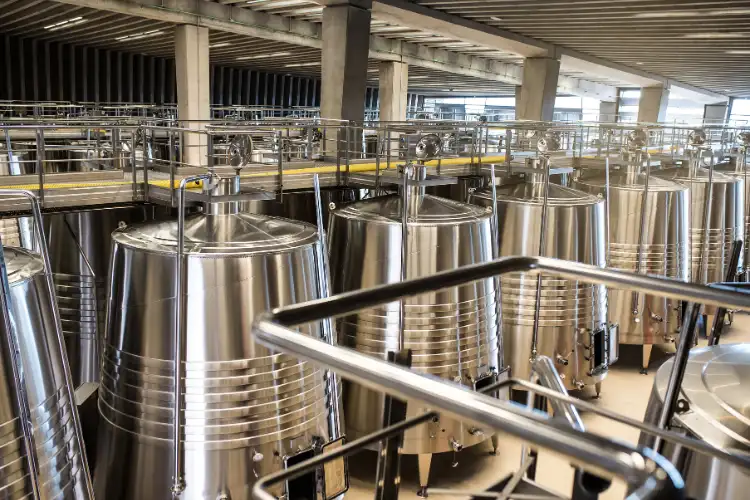
Manufacturing decisions can influence your startup costs, production capacity, and ability to meet customer demand. Establishing your own facility may require investment in equipment, premises, staffing, and operational systems.
Private label and contract manufacturing can provide alternative routes to market. These options allow businesses to work with manufacturing partners rather than managing every production requirement independently.
When selecting a partner, assess its experience with your beverage category, production capabilities, quality procedures, packaging options, communication, and ability to accommodate future growth.
New Beverage Manufacturing provides private label and contract manufacturing solutions for businesses developing and commercialising beverage products. Choosing a suitable manufacturing arrangement can help you organise production, manage resources, and prepare for changing demand.
5. Plan Packaging and Production Together
Packaging affects more than appearance. It influences product protection, transportation, storage, customer convenience, and overall brand presentation.
Explore suitable options such as bottles, aluminium cans, and multipacks. Your decision should reflect the beverage formula, target audience, distribution channels, budget, and intended retail environment.
Consider practical requirements, including packaging compatibility, labelling, availability, transport, and storage. You should also review applicable food safety and labelling requirements before commercial production.
Planning packaging alongside formulation and manufacturing can reduce unnecessary changes later. It also helps create a consistent product presentation across different sizes and product variations.
6. Prepare a Strong Beverage Launch Strategy
A well-planned launch helps introduce your beverage to the right audience and build early awareness. Before production is complete, identify your sales channels, marketing priorities, launch budget, and promotional activities.
Depending on your business model, you might target independent retailers, supermarkets, online customers, hospitality businesses, or wholesale distributors. Each channel has different requirements, so understand what buyers expect before approaching them.
Prepare clear product information, attractive marketing materials, and consistent brand messaging. Customer sampling and feedback can also provide useful insights into flavour preferences and purchasing intentions.
New Beverage Manufacturing supports businesses with launch preparation and market planning. Setting measurable objectives for awareness, sales, and customer engagement can help you evaluate your launch and identify opportunities for improvement.
7. Expand Distribution as Demand Grows
Getting your beverage into the right locations is essential for building a sustainable business. Distribution planning helps connect production with customer demand while supporting reliable product availability.
Start with realistic sales targets and identify the channels most likely to reach your audience. Consider wholesale partnerships, retail opportunities, supply requirements, and the resources needed to serve each market.
As sales increase, review customer feedback, repeat purchases, stock availability, and the performance of individual channels. These insights can guide decisions about where to invest and when to expand.
New Beverage Manufacturing provides distribution and supply chain support to help businesses plan their route to market. A coordinated approach to manufacturing and distribution can help your brand prepare for wider reach without overlooking operational needs.
8. Scale Your Business Without Compromising Quality
Growth creates opportunities, but it also introduces new challenges. Higher order volumes can affect production schedules, ingredient sourcing, packaging availability, and delivery timelines.
Before increasing output, review your manufacturing capacity, expected demand, production lead times, and supplier arrangements. Discuss scaling options with your manufacturing partner and establish clear product specifications.
Consistent quality should remain a priority throughout expansion. Appropriate quality checks, documented processes, and regular communication help maintain the product experience customers expect.
You can also use sales data and customer feedback to decide whether to increase production, improve an existing formula, or introduce additional products. Careful planning helps align growth ambitions with practical business requirements.
9. Keep Innovating to Stay Competitive
Customer preferences and beverage trends continue to change. Brands that monitor the market can identify opportunities to improve existing products or introduce new offerings.
Pay attention to emerging flavours, functional ingredients, convenient formats, and customer expectations. However, innovation should support your brand strategy rather than simply follow every trend.
Product development can involve refining a formula, adjusting packaging, introducing a new flavour, or creating a product for a different audience. Evaluate each opportunity against customer demand, production feasibility, and commercial objectives.
New Beverage Manufacturing supports beverage development and formulation, helping businesses explore product improvements and prepare for future opportunities.
Conclusion: Build Your Next Stage of Beverage Growth
Moving from a startup to a recognised beverage brand requires a clear vision, a compelling product, effective branding, suitable manufacturing, and a distribution strategy that can adapt as demand grows.
New Beverage Manufacturing helps businesses navigate important stages of beverage development, from concept creation and formulation to manufacturing, packaging, and market preparation.
Whether you are launching your first drink or preparing an established product for wider distribution, a structured approach can help you make informed decisions and build a foundation for sustainable growth.