Behind every successful beverage is a process that transforms an idea into a product customers can enjoy. From selecting ingredients and developing flavours to choosing packaging and preparing for commercial production, beverage manufacturing involves several connected stages. Each step requires careful planning, technical knowledge, and a clear understanding of market expectations.
For startups, established brands, and entrepreneurs, understanding this process can make it easier to develop products that meet customer needs and business objectives. New Beverage Manufacturing supports beverage businesses through product development, formulation, manufacturing, packaging, and market preparation, helping turn promising concepts into commercial opportunities.
1. Starting With an Innovative Beverage Concept
Every new beverage begins with an idea. It might be a refreshing sparkling drink, a functional beverage, a ready-to-drink coffee, a flavoured water, or a product designed for a specific consumer group.
The first step is to define the purpose of the beverage and identify the audience it will serve. Consider customer preferences, flavour expectations, price points, and competing products. Market research can help reveal opportunities and determine whether the concept offers something distinctive.
A clear product brief provides direction for the development process. It should outline the intended flavour, ingredients, target audience, packaging preferences, and desired market position. Establishing these details early helps guide formulation, production planning, and branding decisions.
2. Turning Ideas Into Practical Beverage Formulations
An appealing concept must become a beverage that delivers the expected taste, texture, appearance, and consistency. This is where formulation and research and development become essential.
The development process may involve selecting ingredients, balancing flavours, evaluating sweeteners, testing acidity, and refining the recipe. Each ingredient must work with the others while meeting the product’s intended specifications.
New Beverage Manufacturing supports beverage development across categories such as functional drinks, sports beverages, sparkling drinks, flavoured waters, ready-to-drink tea and coffee, wellness beverages, and plant-based drinks.
During development, businesses should also consider ingredient availability, manufacturing compatibility, shelf-life requirements, and production costs. Product testing helps identify areas for improvement before a beverage moves towards commercial manufacturing.
3. Selecting Ingredients and Establishing Product Quality
Ingredient selection affects flavour, stability, product appearance, and the overall customer experience. A formulation that works well in a small sample may require further evaluation before it can be produced consistently at commercial volumes.
Businesses should consider ingredient specifications, supplier reliability, storage requirements, and compatibility with the intended production process. Any functional, nutritional, or health-related claims must also be supported by appropriate evidence and comply with applicable regulations.
Quality planning should begin during product development rather than being treated as a final production check. Clear ingredient specifications, documented recipes, suitable testing, and defined acceptance criteria help create a consistent product.
Working with experienced manufacturing professionals can help businesses identify practical production considerations early and prepare for a smoother transition from formulation to larger batches.
4. Moving From Product Samples to Commercial Production
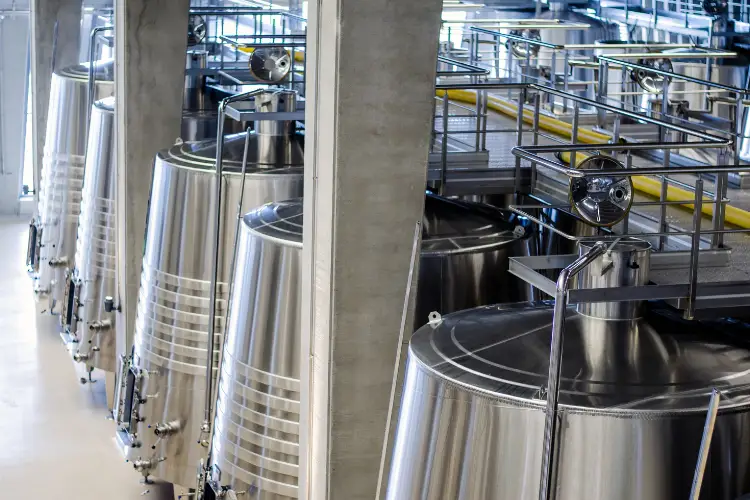
Once a beverage formula has been developed and evaluated, the next challenge is preparing it for commercial production. Manufacturing at scale requires more than increasing ingredient quantities. Equipment, processing conditions, production volumes, and quality controls must all work together.
A production plan should account for batch sizes, ingredient procurement, manufacturing schedules, packaging requirements, and expected demand. Pilot or trial runs may help identify processing issues before full-scale production begins.
New Beverage Manufacturing provides manufacturing solutions designed to support businesses developing and producing beverage products. Depending on the project, private label or contract manufacturing can offer an alternative to investing in an independent production facility.
Choosing the right manufacturing arrangement depends on your product category, budget, production needs, and future growth plans. Clear communication between the brand and manufacturer helps align expectations before production starts.
5. Choosing Packaging That Protects and Promotes the Product
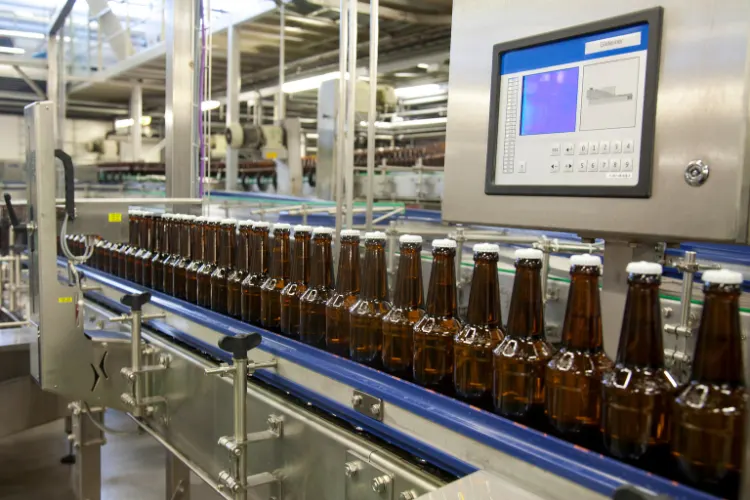
Packaging plays an important role in modern beverage manufacturing. It protects the drink, supports storage and transportation, and helps communicate the brand’s identity to customers.
Beverage businesses can explore options such as aluminium cans, bottles, and multipacks, depending on the product and intended sales channels. The right choice should consider product compatibility, packaging costs, customer convenience, transport requirements, and retail presentation.
Label design also deserves attention. Product names, ingredient lists, nutritional information, allergen declarations, and other required details must be accurate and suitable for the markets where the beverage will be sold.
New Beverage Manufacturing supports packaging and market preparation as part of the wider beverage development process. Coordinating packaging decisions with formulation and manufacturing can help reduce unnecessary changes and prepare products for commercial launch.
6. Preparing for Shelf Life, Safety, and Compliance
Before a beverage reaches consumers, businesses must understand how the product will remain safe and maintain its intended quality throughout storage and distribution.
Shelf-life evaluation considers factors such as formulation, acidity, processing methods, packaging, storage conditions, and the potential for quality changes over time. Appropriate testing helps establish suitable storage instructions and a defensible shelf-life period.
Food safety procedures and regulatory requirements also need careful attention. Depending on the beverage and target market, businesses may need to consider ingredient declarations, nutritional labelling, allergen information, permitted additives, and specific product standards.
Working with qualified technical professionals and an experienced manufacturing partner can help identify relevant requirements early. Addressing these matters before launch supports responsible production and helps businesses prepare their products for the markets they intend to enter.
7. Building a Brand Around the Finished Beverage
A well-developed beverage needs a clear identity to attract its intended audience. Branding communicates what makes the product distinctive and helps customers recognise it among competing choices.
Consider the product’s positioning, name, visual design, packaging, and messaging. A functional drink may emphasise convenience and its intended use, while a premium beverage might focus on flavour, ingredients, or presentation.
Consistency across packaging, websites, product descriptions, and promotional materials helps create a recognisable brand. Businesses should ensure that marketing claims accurately reflect the product and comply with applicable requirements.
By planning branding alongside product development, companies can create a beverage that combines a suitable formulation with a clear market identity.
8. Preparing for Launch and Future Growth
Reaching commercial production is an important milestone, but a successful beverage business also needs a plan for bringing its product to customers.
Identify suitable sales channels, estimate demand, establish pricing, and prepare marketing materials before launch. Depending on the business model, opportunities may include retail stores, online sales, hospitality businesses, or wholesale distribution.
Production planning should support these goals. Businesses need to understand manufacturing lead times, minimum order quantities, packaging availability, and supply requirements before committing to large orders.
New Beverage Manufacturing helps businesses navigate key stages of beverage development and commercialisation. With appropriate planning, brands can coordinate product readiness, manufacturing requirements, and market preparation while building a foundation for future expansion.
Conclusion
Modern beverage manufacturing brings together creativity, formulation, technical planning, packaging, and commercial production. Turning an innovative concept into a market-ready drink requires attention to every stage, from the first product brief to quality evaluation and launch preparation.